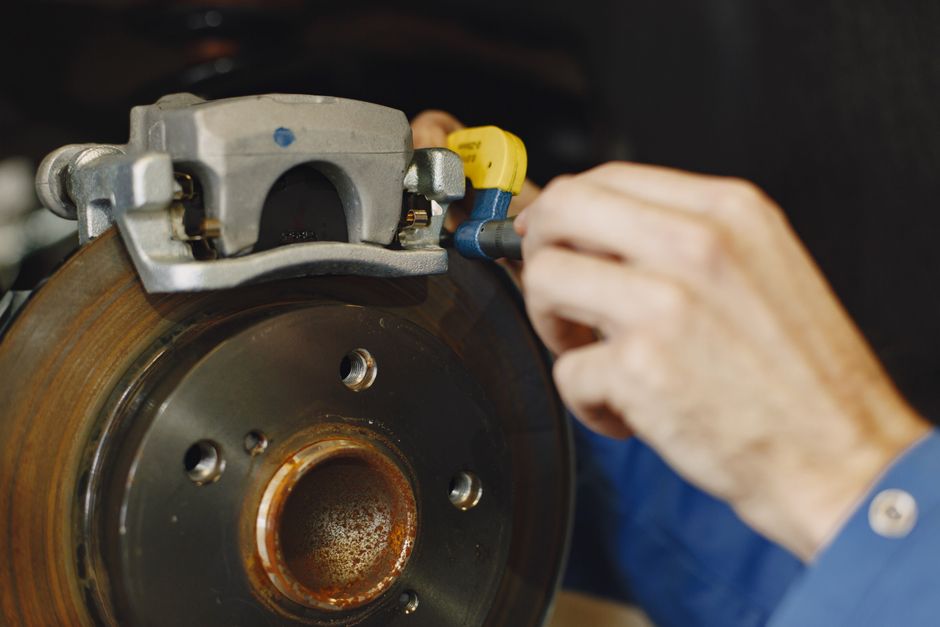
Brake pads are a critical component of any vehicle’s braking system. Over time, the friction material on the pads gradually wears down, reducing their ability to generate the necessary stopping force. Recognizing the early indicators of wear is an important part of responsible vehicle ownership. While no single sign guarantees that replacement is immediately required, a combination of audible, tactile, and visual cues can help drivers determine when it is time to have the brake pads inspected by a qualified professional.
Understanding these signs allows for a more informed approach to maintenance. Many factors influence brake pad lifespan, including driving habits, vehicle weight, and road conditions. Rather than relying on a fixed mileage interval, paying attention to how the brakes behave during everyday use provides a more accurate picture of their condition. The following sections outline several common symptoms that may suggest the brake pads are approaching the end of their service life.
Audible Warning Signs
One of the most recognizable indicators of worn brake pads is a high-pitched squealing or squeaking sound when the brakes are applied. This noise is often produced by a small metal indicator, sometimes called a wear tab, that is built into many brake pads. When the friction material wears down to a certain thickness, the indicator makes contact with the rotor surface, creating a deliberate sound. The intention is to alert the driver that the pads have reached a critical wear level and should be inspected soon.
If the squealing becomes more persistent or develops into a grinding noise, the situation may be more advanced. A grinding sound typically indicates that the brake pad material is completely gone and that the metal backing plate is rubbing directly against the rotor. This can cause damage to the rotor itself, potentially leading to more costly repairs. Not all vehicles have audible wear indicators, and some modern systems may produce different sounds depending on pad composition. In any case, unfamiliar noises from the braking system warrant attention.
Vibrations and Pulsations
Another common sign that brake pads may be worn or that related components are affected is a vibration or pulsation felt through the brake pedal or steering wheel. When brake pads wear unevenly, the rotor surface may become warped or develop thickness variations. As the brake pedal is pressed, these irregularities cause a pulsing sensation that can be felt in the pedal or even transmitted through the steering column in some vehicles.
Vibrations can also arise from pad debris or glazing, where the pad surface becomes hardened and uneven. While vibration alone does not always mean the pads need replacement, it often indicates that the braking system requires a thorough inspection. A mechanic can measure rotor runout and pad thickness to determine the underlying cause. Addressing vibrations early may help prevent more complex issues such as caliper sticking or brake fluid contamination.
Visual Inspection Indicators
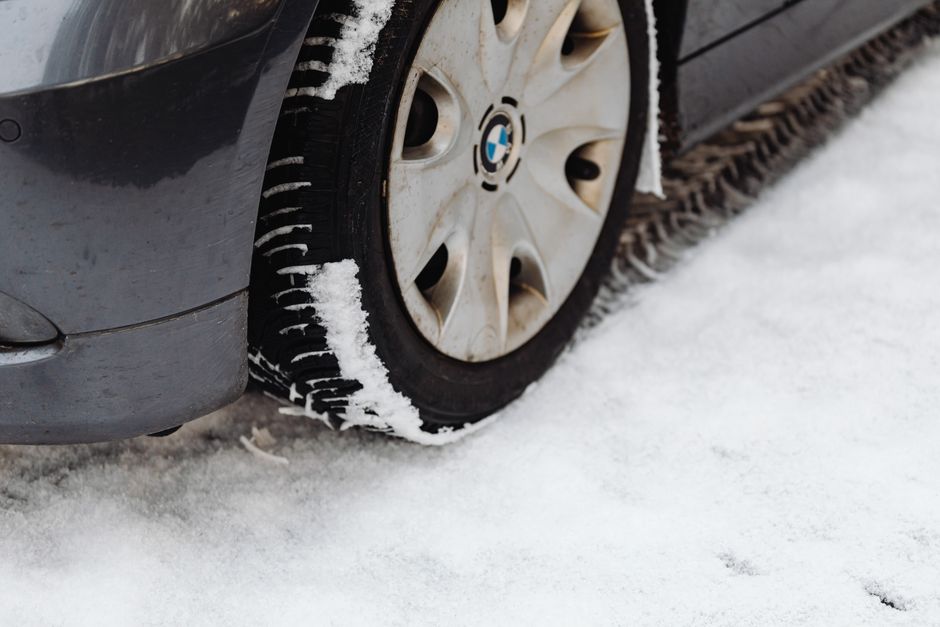
For those who are comfortable performing a visual check, looking at the brake pads can provide direct evidence of wear. Most brake pads have a minimum thickness specification, typically around 3 to 4 millimeters for the friction material. By looking through the spaces between the spokes of the wheel, it is often possible to see the outer pad pressing against the rotor. If the pad appears thin, with only a small amount of material remaining, replacement is likely necessary.
Some pads also feature a physical wear indicator in the form of a notch or groove. When the pad material wears down to the depth of that notch, it is a clear sign that replacement is due. Additionally, checking for uneven wear across the pad surface can reveal alignment or caliper issues. It is important to note that visual inspection may not always be possible on vehicles with covered wheels or limited clearance, and the inner pad may wear differently than the outer pad. A professional inspection can provide a complete assessment.
Changes in Braking Performance
Drivers may also notice changes in how the vehicle responds when the brake pedal is applied. A spongy or soft pedal feel could indicate air in the brake lines or low fluid level, but it can also be related to pad wear. Conversely, a pedal that feels excessively hard or requires more force than usual may suggest that the pads are glazed or that the brake booster is not functioning properly.
Another performance-related signal is a pulling sensation to one side during braking. If the brake pads on one axle are more worn than those on the other, braking force can become uneven. This may also be accompanied by a slight steering wheel tug. While these symptoms can stem from multiple causes, including tire pressure or suspension components, worn brake pads are frequently part of the equation. Noticing any decline in stopping confidence is a good reason to schedule an inspection promptly.
Dashboard Warning Lights and Sensor Systems
Many modern vehicles are equipped with brake pad wear sensors that trigger a warning light on the dashboard when the pads reach a certain level. These sensors are often located in the pad itself and complete an electrical circuit that illuminates a warning on the instrument cluster. When this light appears, it is generally a reliable indication that the pads are near the end of their service life and should be checked.
However, not all cars have this feature, and even those that do may only have sensors on one wheel per axle. In some cases, the warning light can also be triggered by other issues, such as a faulty sensor or damaged wiring. Therefore, a warning light should be interpreted as a prompt for a full inspection rather than a definitive command to replace the pads immediately. Combining dashboard alerts with the other signs discussed earlier provides a more comprehensive picture of brake system health.
Regular Maintenance and Early Action
Developing a routine of periodic brake inspections is a practical way to stay informed about the condition of the pads. Many automotive experts, including those at Car Mentor, suggest that brake pads should be visually examined every 10,000 to 15,000 miles, though this interval can vary based on driving environment and vehicle type. Keeping a log of brake performance observations and any unusual sounds or feelings can help owners communicate effectively with a technician during scheduled maintenance visits.
When one or more of the signs described in this article become noticeable, it is advisable to have the brake system evaluated by a professional. Early detection of worn pads can often prevent more extensive damage to rotors, calipers, and other braking components. While no maintenance procedure can guarantee absolute performance, staying attentive to the common indicators of wear supports safer and more predictable braking over the life of the vehicle.