How to Choose the Best Tires for Winter Driving Conditions
Selecting the appropriate tires for winter driving is a decision that depends on several factors, including local climate conditions, typical road surfaces, and vehicle specifications. Winter tires are designed to provide enhanced traction on snow and ice through specialized tread patterns and rubber compounds. Understanding the differences between tire types and how they interact with cold weather surfaces can help drivers make a more informed choice.
The process of choosing winter tires involves evaluating tread design, rubber composition, and size compatibility. Each of these elements plays a role in how a tire performs under low temperatures and on slippery surfaces. Rather than focusing on specific brand claims, it is useful to consider the underlying engineering principles that govern winter tire performance.
This guide outlines the key factors to examine when selecting winter tires, offering a structured approach to comparing options based on objective criteria. The information provided is meant to support independent decision-making and does not replace the advice of a qualified tire professional.
Understanding Winter Tire Requirements
Winter tires differ from all-season or summer tires primarily in their ability to remain flexible in cold temperatures. When the thermometer drops below approximately 45°F (7°C), conventional tire rubber hardens, which reduces grip. Winter tires use a special rubber compound that retains elasticity, allowing the tread to conform to road irregularities and maintain contact with the surface.
Another critical aspect is the tread depth. New winter tires typically have a deeper tread than all-season tires, which helps channel snow and slush away from the contact patch. Many winter tires also feature a higher density of sipes—small slits in the tread blocks—that create additional biting edges for traction on ice. Regulations in some regions require a minimum tread depth for winter tires, but for optimal performance, deeper tread is generally recommended.
Drivers should also consider the typical weather conditions in their area. For regions that experience frequent ice and packed snow, tires with more aggressive tread patterns and a higher number of sipes may be beneficial. In areas where winter means mostly cold, dry pavement with occasional light snow, a less aggressive winter tire may suffice. Understanding these requirements helps narrow down the range of suitable products.
Tread Patterns and Their Role
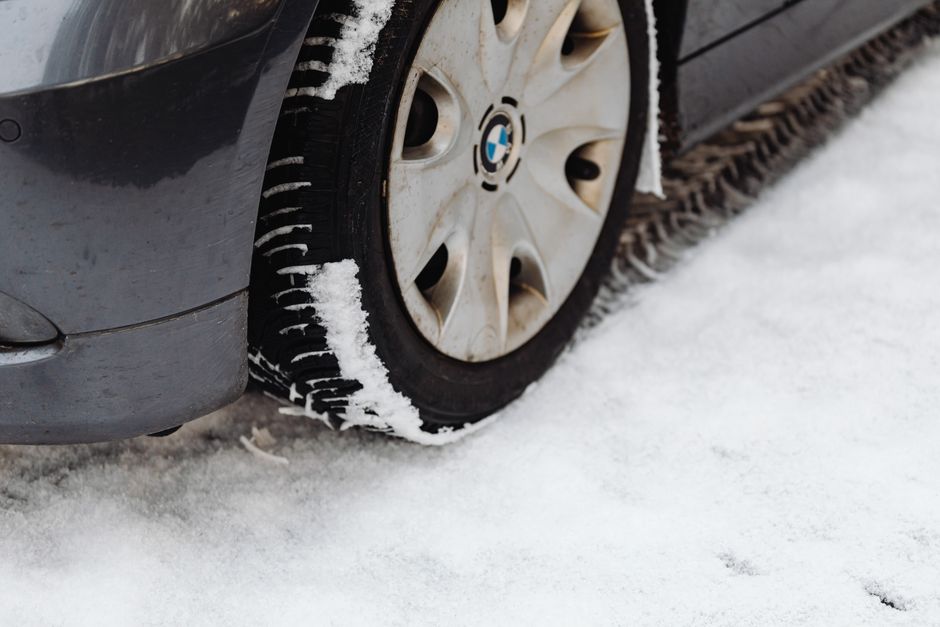
Tread pattern is one of the most visible differences between winter tires and other types. Winter tire treads are designed with larger, more widely spaced blocks that can bite into snow and provide self-cleaning action. As the tire rotates, the tread pattern helps eject snow from the grooves, preventing the tire from becoming packed with snow, which reduces traction.
Directional tread patterns are common on winter tires. These patterns feature V-shaped grooves that channel water and slush to the sides of the tire, reducing the risk of hydroplaning. Some winter tires use asymmetric patterns, which combine different tread elements for a balance of dry and wet performance. Studded winter tires are another option in regions where they are permitted, using metal studs to dig into ice, though they may cause more road wear and noise.
When evaluating tread patterns, it is helpful to look for the Three-Peak Mountain Snowflake (3PMSF) symbol. This marking indicates that the tire meets industry standards for severe snow traction. Not all winter tires carry this symbol, and some all-season tires may also have it, but in general, tires with the 3PMSF symbol have been tested and certified for winter conditions. The tread pattern alone does not guarantee performance; it must work in conjunction with the rubber compound and tire construction.
Rubber Compounds and Temperature Performance
The rubber compound used in winter tires is formulated to remain pliable at low temperatures. This is achieved through a higher proportion of natural rubber and specialized polymers, along with silica or other fillers that improve flexibility. The result is a tire that can better conform to the micro-texture of ice and snow, increasing friction.
However, the same properties that make winter tires effective in cold weather can cause them to wear more quickly on warm roads. In temperatures above 50°F (10°C), the softer compound may degrade faster, and handling can become less precise. Therefore, winter tires are intended for seasonal use and should be removed when warmer weather arrives.
There is a range of winter tire compounds available, from those optimized for severe ice conditions to those designed for colder but mostly dry pavement. Some manufacturers offer different tire lines within their winter range, such as performance winter tires for vehicles with higher handling expectations, or studless ice and snow tires for extreme conditions. Evaluating the compound by reviewing technical specifications and independent test results can provide insight into how a tire will perform in specific temperature ranges.
Selecting the Right Size and Load Rating
Choosing the correct tire size is essential for proper fitment and safety. The vehicle manufacturer provides recommended tire sizes, which are listed in the owner’s manual and on the driver’s side door jamb. Winter tires should match the same overall diameter and width as the original equipment, though some drivers opt for a narrower winter tire. A narrower tire can concentrate vehicle weight on a smaller contact patch, which may improve traction on deep snow and slush by cutting through rather than floating on top.
However, changing tire width affects handling and load capacity. It is important to verify that the selected tire has a load rating equal to or greater than the original tire. The load rating is indicated in the tire’s size designation, for example, a load index of 95. Additionally, the speed rating of winter tires may be lower than that of summer tires, which is acceptable for winter driving as long as it does not exceed the vehicle’s maximum speed capabilities in winter conditions.
For vehicles with larger diameters or low-profile tires, winter tire options may be more limited. Some drivers choose to downsize to a smaller wheel diameter to allow a taller sidewall, which can provide a more comfortable ride and better protection against pothole damage. Any change in wheel size must maintain the correct overall diameter to avoid issues with speedometer calibration and clearance. Consulting a tire specialist or using an online tire size calculator can help ensure compatibility.
Comparing All-Season Tires and Winter Tires
All-season tires are designed to offer a compromise between summer and winter performance. While some all-season tires carry the Three-Peak Mountain Snowflake symbol and provide acceptable traction in light snow, they generally do not match the performance of dedicated winter tires on ice and packed snow. The rubber compound in all-season tires hardens in cold temperatures, reducing grip, and their tread patterns are less aggressive.
For drivers who experience severe winters with frequent ice, deep snow, or prolonged subfreezing temperatures, dedicated winter tires are generally recommended. In milder winter climates where snow is rare and temperatures rarely drop below freezing, high-quality all-season tires with the 3PMSF symbol may be sufficient. However, the decision should be based on the specific driving environment and the driver’s tolerance for reduced traction.
It is also worth noting that winter tires can improve braking distances and cornering stability on cold, wet roads, not just on snow and ice. The softer compound and deeper tread help evacuate water and maintain contact with the road. This can be a safety benefit even in regions where snow is infrequent but cold rain is common. Drivers should evaluate their typical winter routes and weather patterns to determine whether the investment in a separate set of winter tires is justified.
Making an Informed Decision
Selecting winter tires involves balancing several factors, including climate, driving habits, and vehicle type. There is no single tire that works optimally for every situation. A systematic approach—starting with understanding local winter conditions, then evaluating tread patterns, compounds, and sizes—can help narrow down the options.
Independent test results from organizations such as tire industry associations or consumer reports can provide objective performance data. Reading reviews from other drivers in similar regions may also offer practical insights. It is advisable to consider purchasing a set of four winter tires, even on front-wheel-drive vehicles, to maintain balanced handling and braking.
Once a selection is made, proper tire maintenance, including regular pressure checks and rotations, can help maximize the tire’s lifespan and performance. Winter tires lose some effectiveness after several seasons as the tread wears and the compound ages, so replacing them when they reach about 5/32 inch (4 mm) of remaining tread depth is often recommended. By following a structured evaluation process, drivers can choose winter tires that align with their specific needs and local road conditions.