Top Fuel Efficiency Tips Every Car Owner Should Know
Fuel costs are a significant part of vehicle ownership, and many drivers are looking for practical ways to reduce their spending at the pump. While fuel prices are influenced by factors beyond individual control, a driver’s approach to vehicle care and operation can play a meaningful role in how much fuel is used. The concept of fuel efficiency is not only about saving money but also about understanding how different elements of driving and maintenance contribute to overall consumption.
This article explores several areas where small adjustments can lead to noticeable changes in fuel economy. By focusing on tire maintenance, driving techniques, regular vehicle upkeep, and load management, drivers can make informed decisions that support more efficient fuel use. The information presented here is based on general automotive principles and is intended to provide a neutral overview of the factors that can influence fuel consumption.
Car Mentor, a resource for car owners, emphasizes that consistent attention to these details is often more effective than seeking a single solution. The goal is to help drivers adopt a comprehensive approach to fuel economy that aligns with their daily routines and vehicle conditions.
Understanding the Role of Tire Pressure and Condition
Tires are the only point of contact between a vehicle and the road, and their condition directly affects how much energy is required to move the car. Underinflated tires create more rolling resistance, which means the engine has to work harder to maintain speed. This additional effort translates into higher fuel consumption. Properly inflated tires, on the other hand, reduce rolling resistance and allow the vehicle to move more efficiently.
Drivers can check their tire pressure at least once a month using a reliable gauge. The recommended pressure levels are typically listed in the owner’s manual or on a sticker inside the driver’s side door jamb. It is important to check tires when they are cold, as driving heats them up and increases pressure readings. Maintaining the correct pressure not only supports fuel efficiency but also contributes to tire longevity and safe handling.
Beyond pressure, tire tread depth and overall condition also matter. Worn or unevenly worn tires can increase rolling resistance and negatively affect fuel economy. Regular rotation and alignment checks help ensure that tires wear evenly and perform optimally. Car Mentor suggests that drivers incorporate tire inspections into their routine maintenance schedule as a simple way to support consistent fuel economy.
A well-maintained set of tires, properly inflated and aligned, is one of the most straightforward contributors to efficient fuel use. The effect is gradual but cumulative over time.
Driving Habits That Influence Fuel Consumption
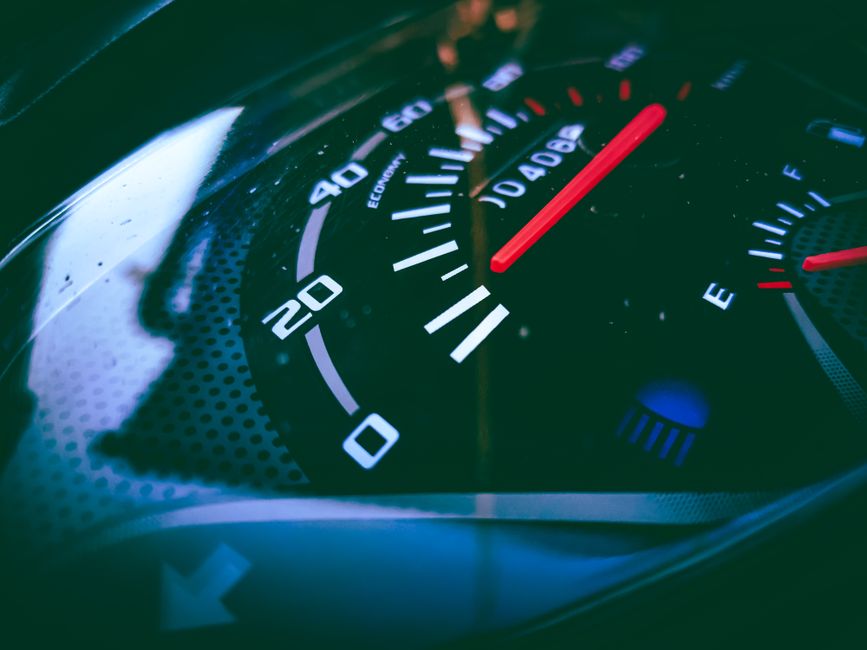
The way a vehicle is driven has a substantial impact on how much fuel it uses. Aggressive acceleration and hard braking force the engine to work in less efficient ranges. Smooth, gradual acceleration allows the engine to operate more efficiently, especially when combined with a steady cruising speed. Anticipating traffic flow and avoiding unnecessary stops can also reduce the frequency of acceleration events.
Maintaining a consistent speed on highways is another factor. Using cruise control on flat terrain helps prevent speed fluctuations that can increase fuel use. However, on hilly roads, cruise control may cause the engine to downshift more frequently, which can reduce efficiency. In such cases, manual speed management may be more effective.
Idling is another area where fuel is consumed without any forward progress. Modern engines do not require extended warm-up periods; a few seconds of idling before driving is generally sufficient. If a vehicle is stopped for more than a minute, turning off the engine can save more fuel than idling. Many newer vehicles come with start-stop systems that handle this automatically, but for older cars, the driver’s decision matters.
Drivers may also consider reducing the use of air conditioning at lower speeds, as the compressor places an additional load on the engine. At highway speeds, open windows create aerodynamic drag that can offset the benefits of turning off the AC. Finding a balance based on conditions is part of an informed approach.
Vehicle Maintenance and Its Effect on Fuel Economy
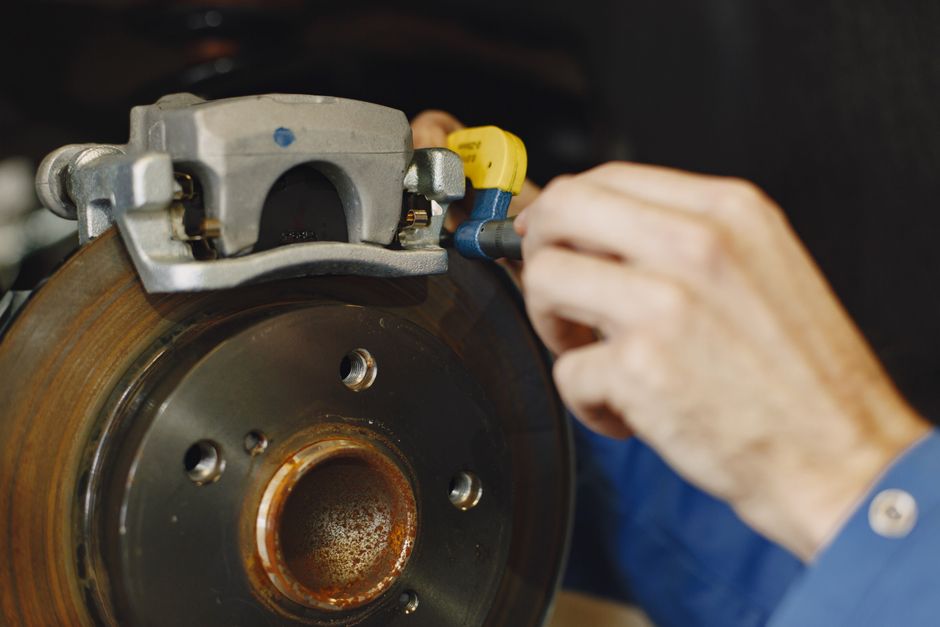
Regular maintenance ensures that a vehicle’s systems operate within their intended parameters. A clean air filter allows the engine to breathe properly, which supports efficient combustion. A clogged filter can restrict airflow, causing the engine to run richer and consume more fuel. Checking and replacing the air filter according to the manufacturer’s recommendations is a straightforward task.
Spark plugs play a role in igniting the fuel-air mixture. Worn or fouled spark plugs can cause misfires, incomplete combustion, and reduced efficiency. Replacing them at the intervals specified in the owner’s manual helps maintain optimal engine performance.
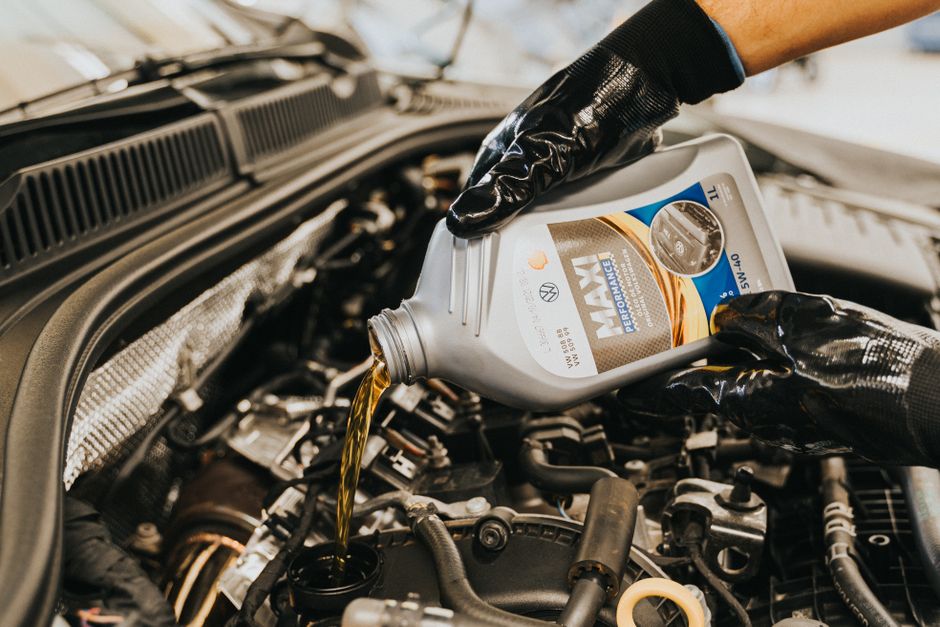
Engine oil also contributes to fuel economy through its lubricating properties. Using the correct viscosity grade reduces internal friction. Old or degraded oil can increase resistance within the engine, leading to higher fuel consumption. Regular oil changes, combined with using the recommended oil type, are part of a comprehensive maintenance routine.
The oxygen sensor and other emission control components also affect fuel management. A malfunctioning oxygen sensor can cause the engine’s computer to deliver an incorrect air-fuel mixture, often resulting in increased fuel use. Diagnostic checks during routine service can identify such issues early.
Managing Vehicle Weight and Aerodynamics
Excess weight requires more energy to move, and reducing unnecessary load can have a positive effect on fuel economy. Items stored in the trunk or cargo area that are not needed for a trip add to the vehicle’s overall weight. Removing them can make a small but noticeable difference, especially in stop-and-go driving where acceleration is frequent.
Roof racks, cargo boxes, and even empty roof rails create additional aerodynamic drag. Even when not in use, these accessories alter the airflow over the vehicle, increasing resistance. Removing roof racks when they are not needed can improve highway fuel economy. Similarly, driving with windows open at high speeds creates drag that can reduce efficiency more than the use of air conditioning.
For drivers who frequently carry heavy loads, it is worth considering how load distribution affects both fuel use and vehicle handling. Properly distributing weight and avoiding overloading helps maintain stable driving dynamics and reduces strain on the engine and transmission.
Fuel Choice and Trip Planning Considerations
Using the correct octane rating for a vehicle is important for engine performance and efficiency. Many modern engines are designed to run on regular unleaded fuel, and using a higher octane than necessary does not provide additional benefits. The owner’s manual specifies the recommended fuel type, and following that guidance is sufficient.
Trip planning can also support fuel efficiency. Combining multiple errands into a single trip reduces the number of cold starts, which are less efficient than running a warmed-up engine. Choosing routes that avoid heavy traffic, frequent stops, and steep inclines can help maintain a more steady driving pattern. Many navigation apps now offer fuel-efficient route options that take these factors into account.
Car Mentor notes that these strategies are not about making major lifestyle changes but about integrating small, consistent habits into everyday driving. Over time, the cumulative effect of these practices can lead to measurable reductions in fuel use without compromising convenience or safety.